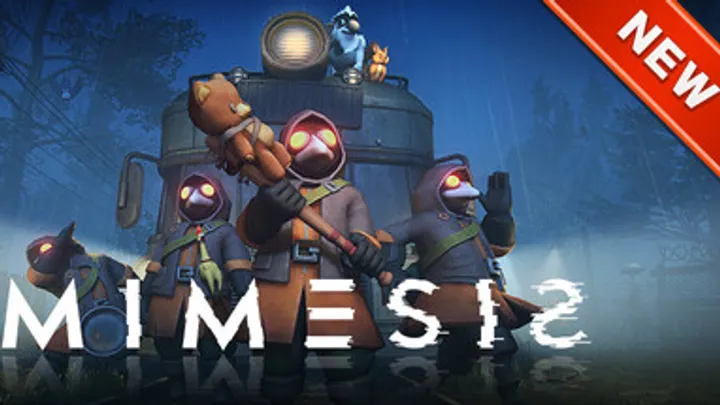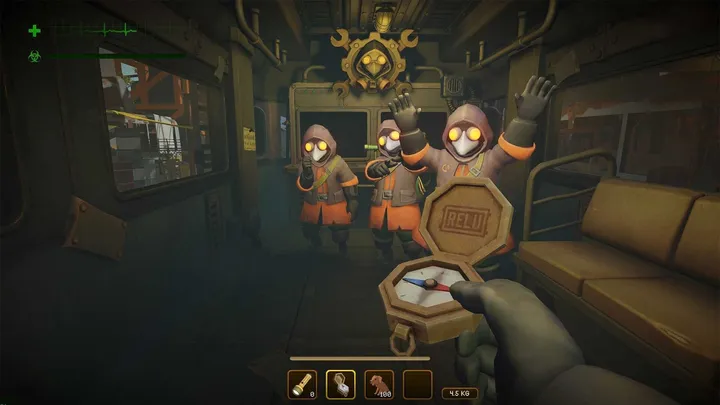





MIMESIS is a psychological horror experience that blends survival, deception, and intense environmental storytelling. Players are placed in a world where reality constantly shifts, enemies disguise themselves as familiar figures, and survival depends on observation and quick decision-making. The core concept of the game revolves around identifying the Mimics—entities that perfectly imitate humans but reveal subtle behavioral clues when closely observed.
Mastering MIMESIS requires far more than reflexes. You must sharpen your perception, manage limited resources, cooperate with teammates when possible, and understand how Mimics behave in different scenarios. This guide walks you through every stage of the game, helping you develop the skills necessary to survive encounters, uncover the truth behind the mimic threat, and escape increasingly dangerous environments.
Understanding the Core Concept of Mimics
The central mechanic of MIMESIS revolves around creatures that imitate human behavior. These Mimics can appear identical to real characters, making it extremely difficult to distinguish friend from enemy. Recognizing subtle inconsistencies becomes the key to survival.
Mimics often reveal themselves through small behavioral errors. Their movement may appear slightly unnatural, they may respond incorrectly to dialogue prompts, or they may fail to interact with objects the same way real players do. Training yourself to notice these inconsistencies is the first step toward mastering the game.
As the game progresses, Mimics become more advanced. Early Mimics are easy to detect, but later versions copy human behavior with frightening accuracy. Learning to remain cautious and skeptical, even in seemingly safe situations, is essential for staying alive.
Learning the Basics of Survival Mechanics
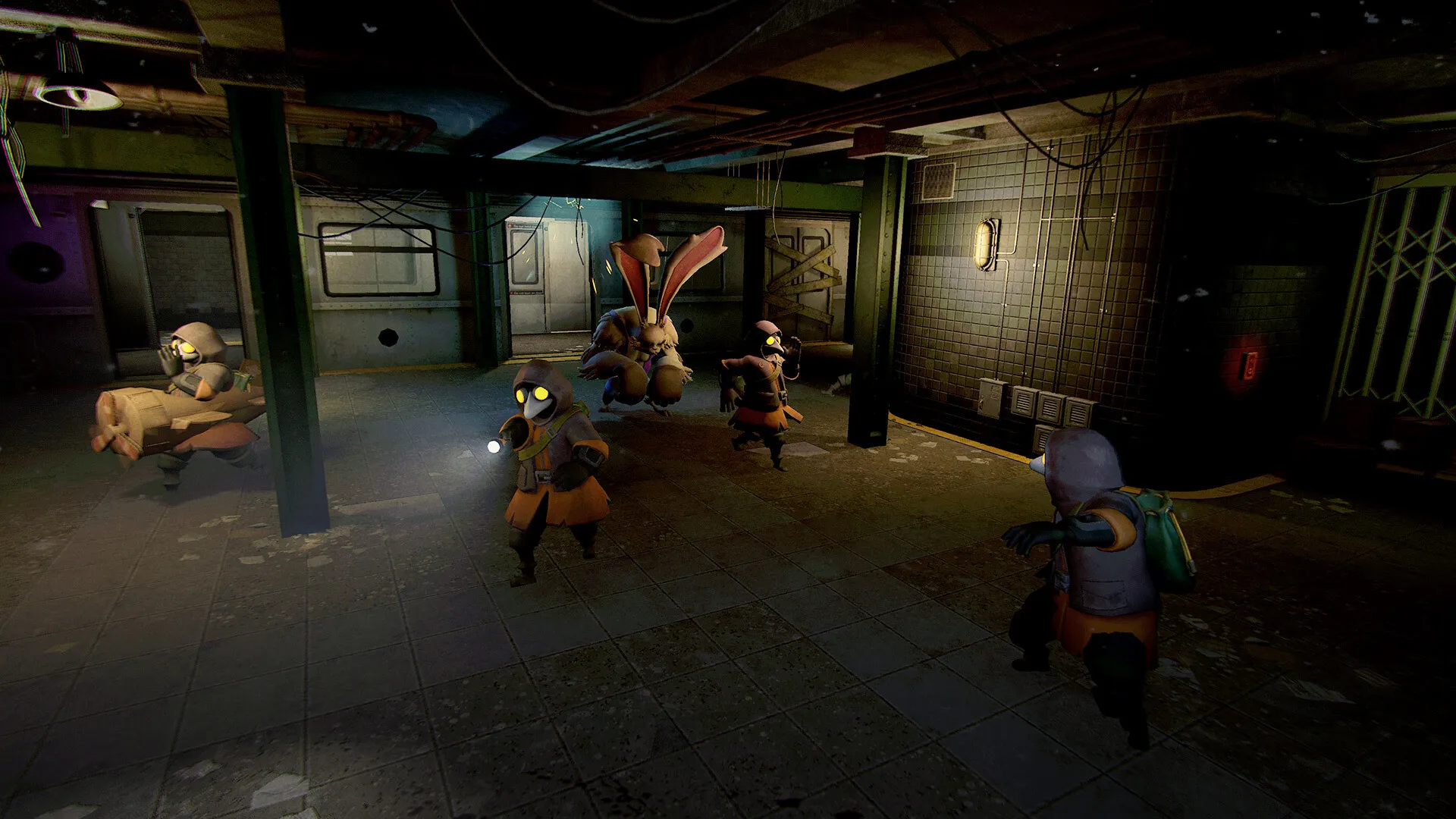
Survival in MIMESIS depends heavily on careful resource management. Flashlights, batteries, medical supplies, and defensive tools are often limited, forcing players to use them wisely rather than wasting them in moments of panic.
Exploration is necessary but dangerous. Many essential items are hidden in abandoned buildings, underground facilities, or isolated locations where Mimics may lurk. Moving slowly and scanning each room before entering can prevent deadly ambushes.
Sound also plays a major role in survival. Mimics react to noise, and careless movement can attract unwanted attention. Learning when to move quietly and when to run can make the difference between escape and capture.
Observing Behavior to Identify Mimics
One of the most important skills in MIMESIS is observation. Unlike traditional horror games where enemies are visually obvious, Mimics are disguised as normal characters, meaning you must rely on behavioral clues.
Watch how characters interact with the environment. Real survivors pick up items, open doors naturally, and react to threats logically. Mimics may hesitate, move in strange patterns, or ignore important objects.
Communication can also expose Mimics. Asking questions or coordinating actions with teammates can reveal inconsistencies in responses. A Mimic may fail to understand context or give unnatural answers, revealing its true identity.
Managing Light and Darkness
Lighting plays a critical role in both navigation and survival. Many areas in MIMESIS are extremely dark, forcing players to rely on flashlights or temporary light sources to see their surroundings.
However, light also creates risk. Bright light may reveal your position to nearby Mimics or attract hostile creatures lurking in the environment. Using light strategically—briefly scanning areas instead of leaving it constantly on—can help reduce this danger.
Learning to navigate partial darkness improves your survival chances. Experienced players often rely on environmental shapes, subtle movement cues, and sound rather than constantly depending on their flashlight.
Exploring Safely and Efficiently
Exploration is necessary to progress through the game’s story and find valuable resources. However, moving carelessly through unfamiliar areas can quickly lead to encounters with Mimics.
Always check escape routes before fully entering a room. Knowing where you can retreat allows you to react quickly if danger appears. Hallways, staircases, and open spaces can serve as temporary safe zones.
Grouping with trusted teammates improves safety during exploration. A group can cover more angles and detect suspicious behavior more easily. However, remember that Mimics can infiltrate groups, so vigilance must always remain high.
Working with Teammates in Cooperative Play
In multiplayer modes, cooperation becomes a vital survival tool. Players must share resources, coordinate exploration routes, and communicate constantly to avoid falling victim to Mimic deception.
Establishing simple verification routines can help detect impostors. For example, teammates may agree on signals, movement patterns, or code phrases to confirm identities. Mimics may struggle to replicate these behaviors accurately.
However, paranoia can also become dangerous. Distrusting teammates too quickly can create chaos, allowing Mimics to exploit confusion. Balancing trust and skepticism is essential for successful teamwork.
Defending Yourself Against Mimics
When Mimics reveal themselves, players must react quickly. While combat options may exist, many encounters are better solved through escape rather than direct confrontation.
Defensive tools such as flares, noise devices, or temporary barriers can create opportunities to retreat. Knowing when to use these items is crucial because resources are often scarce.
Running blindly can lead to traps or dead ends. Instead, plan escape routes ahead of time and stay aware of your surroundings. Calm decision-making during encounters dramatically increases survival chances.
Solving Environmental Puzzles
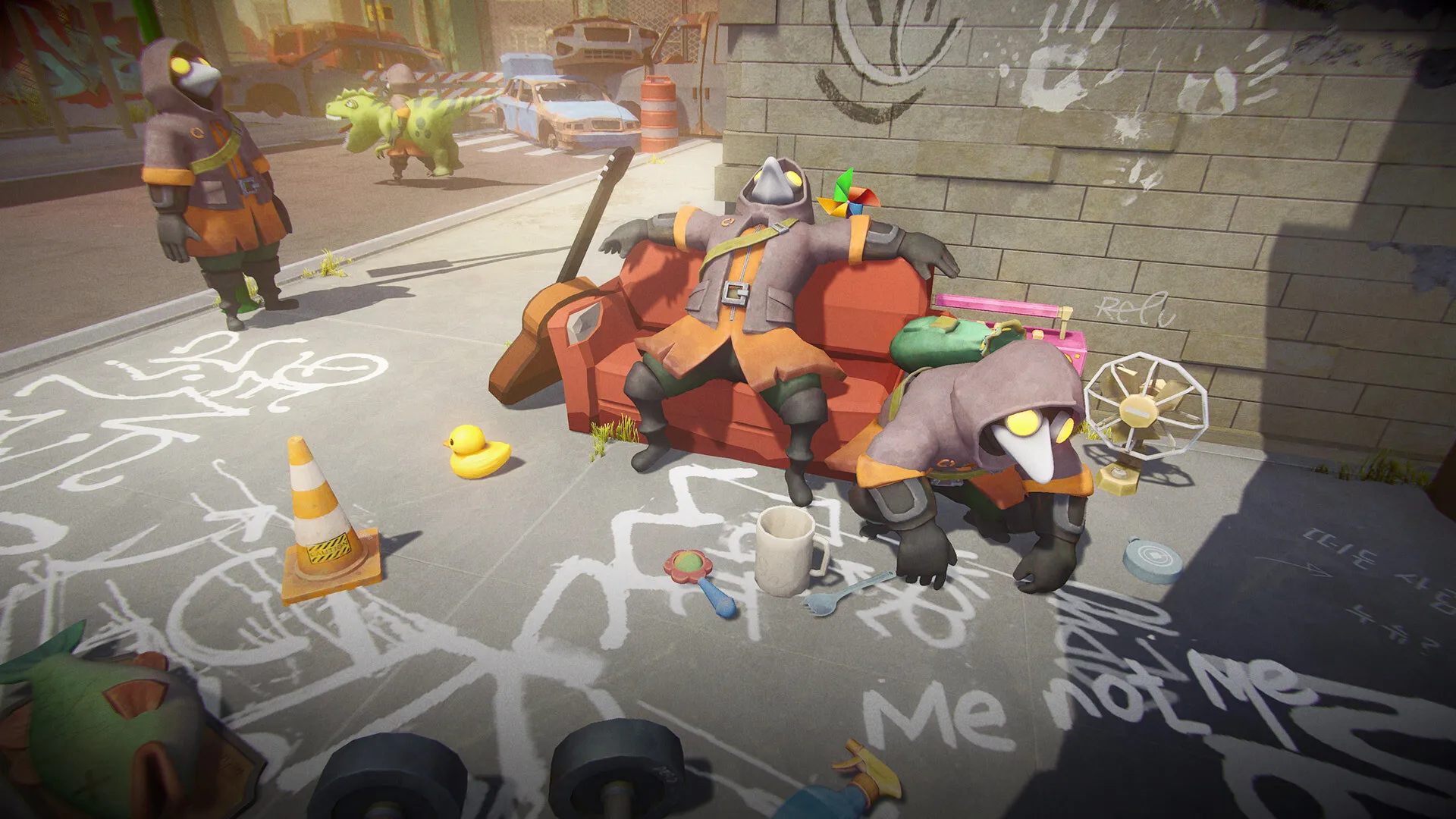
Many areas in MIMESIS contain puzzles that unlock new zones, reveal story elements, or provide valuable resources. These puzzles often require observation, teamwork, and logical thinking.
Some puzzles involve activating devices in the correct sequence, while others require locating hidden clues scattered throughout the environment. Paying attention to small details—such as symbols, audio recordings, or written notes—often leads to solutions.
Mimics may attempt to disrupt puzzle-solving by distracting players or creating confusion. Maintaining focus on the task and confirming actions with teammates helps prevent mistakes.
Understanding Psychological Tension and Fear
MIMESIS is designed to manipulate player emotions. Suspense, uncertainty, and paranoia are central elements of the experience. Learning to stay calm under pressure improves both survival and decision-making.
Players who panic often make noisy movements, waste resources, or accuse teammates incorrectly. By controlling fear and thinking logically, you can maintain control even in the most stressful situations.
The game rewards patience and awareness rather than aggression. Observing quietly, planning movements carefully, and verifying information leads to better outcomes.
Preparing for Endgame Encounters
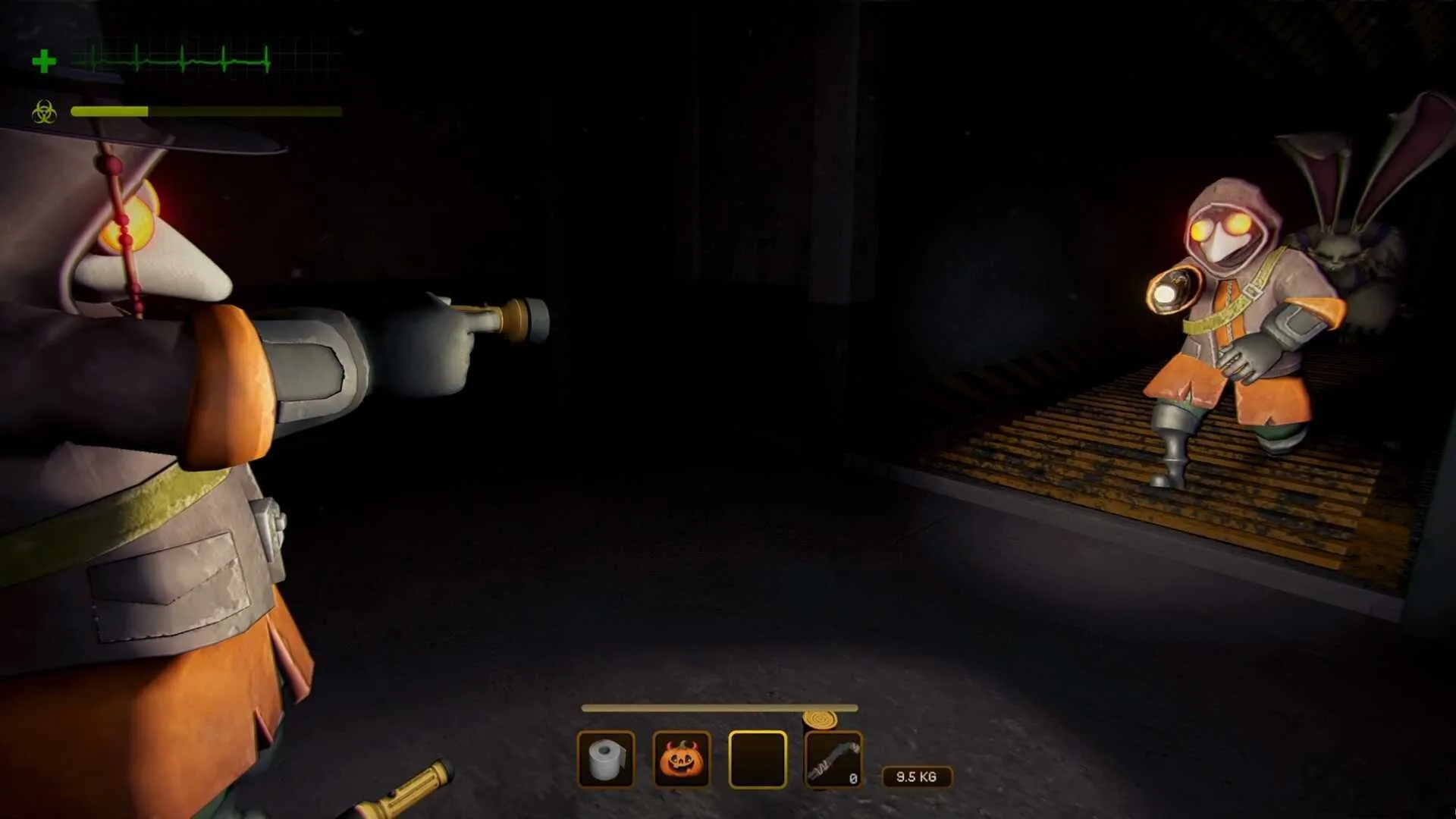
Late-game areas introduce more intelligent Mimics and more complex environments. These sections test every skill learned earlier in the game, including observation, resource management, and teamwork.
Endgame survival requires strong communication and careful planning. Teams must move methodically, share information quickly, and avoid splitting up unless absolutely necessary.
Advanced Mimics can imitate behaviors almost perfectly, so players must rely on deeper analysis—such as movement timing, reaction speed, and environmental awareness—to identify impostors.
Conclusion
Mastering MIMESIS requires a combination of observation, patience, teamwork, and strategic thinking. The ability to identify Mimics through subtle behavioral clues, manage limited resources, and navigate dangerous environments determines your success. By learning how to cooperate with allies, remain calm under pressure, and adapt to increasingly intelligent enemies, you can survive the psychological horrors of the mimic-infested world and uncover the secrets hidden within its shifting reality.