







Forza Motorsport is a true racing simulation that emphasizes precision, consistency, and technical understanding rather than arcade-style speed. Every input matters, from throttle control to braking points, making it a challenging but deeply rewarding experience for players who want realistic motorsport gameplay.
This Tips & Guides article is structured as a progression journey, helping players understand Forza Motorsport step by step, from basic driving fundamentals to advanced competitive racing techniques.
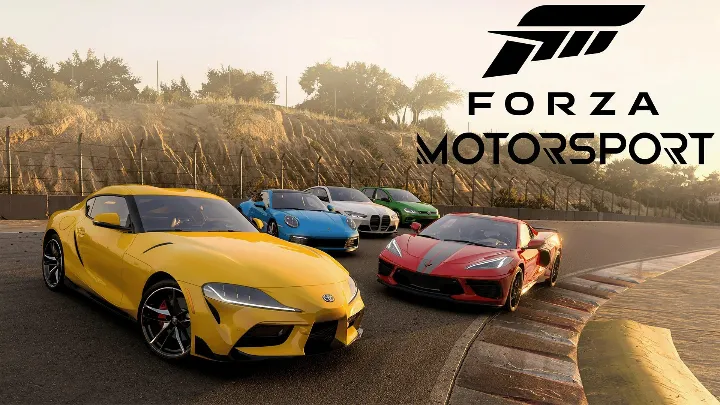
1. Understanding Forza Motorsport Driving Physics
Forza Motorsport uses realistic tire physics, weight transfer, and track surface simulation. Cars say less forgiving than arcade racers, especially under braking and cornering.
Players must learn how speed, steering angle, and throttle input interact. Overdriving the car often leads to loss of grip and slower lap times.
Key Physics Concepts
- Tire grip changes with temperature and wear
- Weight transfer affects braking and corner exit
- Smooth inputs maintain stability
2. Choosing the Right Car for Your Skill Level
Not all cars are suitable for beginners. High-power vehicles magnify mistakes and are harder to control consistently.
Starting with balanced, lower-powered cars helps players learn racing lines and control fundamentals before moving to faster classes.
Beginner-Friendly Car Traits
- Balanced handling
- Predictable braking
- Moderate power output
3. Controller and Wheel Settings Optimization
Proper input settings significantly affect lap consistency. Default settings may not suit every player’s driving style.
Adjusting steering sensitivity, braking dead zones, and traction assists can greatly improve control and confidence.
Recommended Adjustments
- Reduce steering sensitivity for stability
- Adjust brake pressure for smoother stops
- Gradually lower driving assists

4. Mastering Braking Techniques
Braking is where most lap time is gained or lost in Forza Motorsport. Late or hard braking often results in lockups or understeer.
Learning threshold braking allows players to slow down efficiently while maintaining control.
Braking Tips
- Brake earlier and progressively
- Release brakes smoothly before turning
- Avoid full braking while steering
5. Cornering Lines and Track Awareness
Taking the correct racing line improves speed and tire longevity. Cutting corners too aggressively often compromises exits.
Understanding track layouts helps players anticipate corners and prepare their approach.
Cornering Fundamentals
- Enter wide, exit tight
- Prioritize corner exits
- Look ahead, not at the car
6. Throttle Control and Acceleration Management
Throttle input affects traction, especially in powerful cars. Sudden acceleration can cause wheelspin and loss of control.
Smooth throttle application ensures better exits and consistent lap times.
Acceleration Tips
- Apply throttle gradually
- Straighten the wheel before full throttle
- Respect tire grip limits
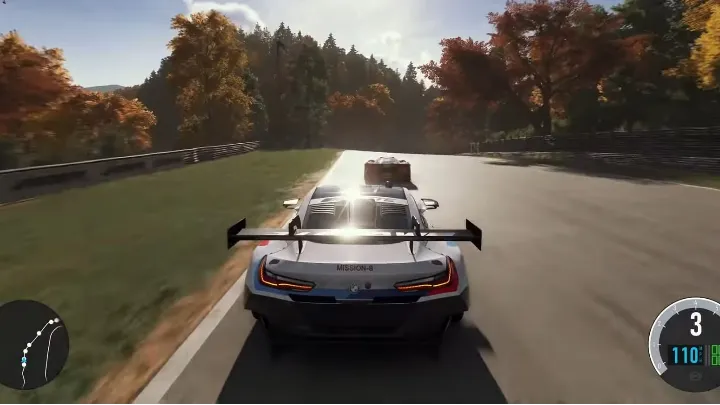
7. Car Tuning Basics for Better Performance
Car tuning allows players to adapt vehicles to tracks and driving styles. Poor tuning can make a fast car difficult to drive.
Understanding basic tuning elements leads to noticeable improvements.
Basic Tuning Areas
- Tire pressure adjustments
- Gear ratio optimization
- Suspension balance
8. Tire Management and Race Strategy
Tire wear affects grip and lap times over long races. Ignoring tire condition often results in performance drop-offs.
Strategic driving preserves tires and improves race results.
Tire Management Tips
- Avoid excessive sliding
- Adjust pace during long stints
- Plan pit stops carefully
9. Racecraft and Overtaking Etiquette
Winning races requires more than speed. Clean racecraft and smart overtaking prevent penalties and crashes.
Good positioning and patience create safer overtaking opportunities.
Racecraft Principles
- Defend without blocking
- Overtake under braking zones
- Respect racing space
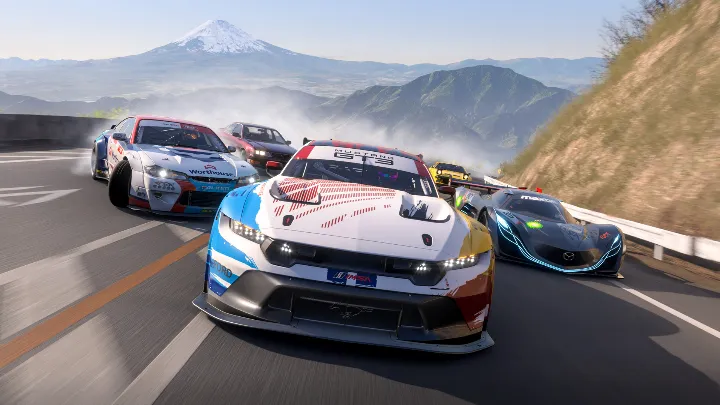
10. Advanced Tips for Competitive Multiplayer Racing
Competitive racing demands consistency, mental discipline, and adaptability. Small mistakes are heavily punished at higher levels.
Top players analyze lap data, adjust setups, and stay calm under pressure.
Competitive Habits
- Practice consistency over speed
- Review telemetry and replays
- Adapt strategy during races
Conclusion
Forza Motorsport rewards precision, patience, and technical understanding. Mastering the game requires a balanced approach to driving skill, car setup, and race strategy.
By following these tips and guides, players can steadily improve lap times, race consistency, and overall performance across all game modes.
Forza Motorsport tips and guides covering driving physics, braking, tuning, race strategy, and competitive racing to help players improve at every level.