
Tip & Guide: Mastering Counter-Strike 2 Smoke Grenades for Better Map Control
Introduction
Counter-Strike 2 (CS2) is a tactical first-person shooter where winning consistently requires more than accurate aim. Positioning, communication, utility management, and decision-making all influence the outcome of a round. Among these skills, smoke grenade usage is particularly important because it allows players to block enemy sightlines, create safer movement opportunities, and control access to important areas of the map.
Many players understand how to throw a smoke grenade but struggle to use it effectively during competitive matches. Throwing smoke too early can leave teammates exposed when the cloud disappears, while placing it incorrectly can give defenders an opportunity to hold an unexpected angle. Learning when to throw smoke, where to place it, and how to coordinate it with teammates can make a significant difference in both attacking and defending situations.
This tip and guide focuses on practical ways to improve smoke grenade usage in CS2. From early-round map control and coordinated site executions to post-plant defense and individual training routines, these tips explain how to make better tactical decisions and get more value from every grenade.
1. Learn the Purpose of Every Smoke
One of the most useful tips for improving in CS2 is to understand why you are throwing a smoke before releasing the grenade. A smoke should serve a specific purpose, such as blocking an enemy sniper, protecting a crossing, limiting a defender's vision, or helping your team approach a bomb site.
For example, if your team wants to move through Mirage mid, a properly placed smoke can reduce exposure to important defensive angles. However, it does not automatically make the entire area safe. Enemies may remain nearby, push through the smoke, or hold alternative positions that your team still needs to check.
Tips for Choosing the Right Smoke
- Identify the enemy angle that presents the greatest threat.
- Decide which teammate benefits most from the smoke.
- Check whether the grenade blocks your own team's vision.
- Consider what happens when the smoke expires.
- Save utility when throwing a grenade will not create a meaningful advantage.
The key is to stop treating smoke as a routine action. Every grenade should help your team gain space, protect movement, or make the opponent's next decision more difficult.
2. Improve Your Early-Round Map Control
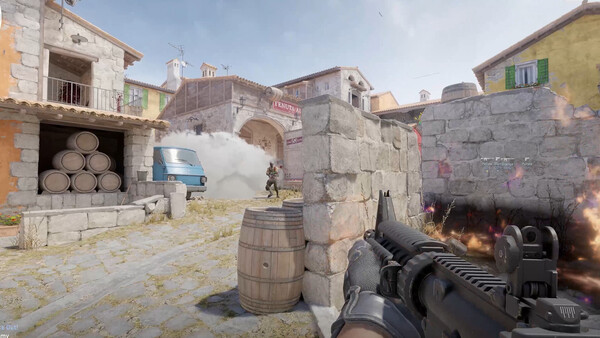
The opening seconds of a round are important because both teams are trying to establish control over valuable areas. Terrorists may contest mid, approach a bomb site, or create pressure on multiple routes. Counter-Terrorists may attempt to gather information, hold aggressive positions, and identify the attacking team's strategy.
A useful tip is to plan your opening utility before the round begins. Consider the weapons your team has purchased, the route you want to take, and the positions opponents are likely to hold. This prevents teammates from wasting several grenades on the same angle while leaving another dangerous sightline uncovered.
Early-Round Checklist
- Choose the area your team wants to control.
- Identify the most dangerous enemy sightlines.
- Assign smoke grenades to the appropriate teammates.
- Coordinate the throw with the team's movement.
- Keep an alternative route available if the opening fails.
You do not always need to secure an early kill to win the opening phase. Taking control of an important area can force defenders to reposition, reveal information about their setup, and create opportunities for a later attack.
3. Practice Essential Smoke Lineups on Competitive Maps
Learning smoke lineups is a practical way to improve your consistency. A lineup helps you reproduce a grenade throw from a specific position, reducing uncertainty when you need to block a dangerous angle during a match.
Start with one map instead of attempting to memorize every lineup at once. Mirage, Dust II, and Inferno each present different challenges involving long sightlines, narrow entrances, and important rotation routes. Choose a small number of smokes that support your preferred playstyle and practice them until you can execute them reliably.
How to Practice a Lineup
First, identify the starting position and aiming reference. Then reproduce the throw several times and check where the smoke lands. Move to the enemy's expected position to verify which sightlines are blocked and which remain open.
Once the lineup is consistent, practice the movement that follows the throw. A technically correct smoke is less useful if you remain in the starting position for too long or enter the exposed area before the cloud develops.
Tip: Learn the purpose of each lineup instead of memorizing the throw alone. If your original route becomes dangerous, understanding the smoke's purpose helps you decide whether to reposition, use another grenade, or abandon the attack.
4. Combine Smoke Grenades With Flashbangs
Smoke grenades and flashbangs work well together because they address different tactical problems. Smoke reduces visibility across a sightline, while a flashbang can temporarily disrupt an opponent's ability to react to an approaching player.
For example, when your team wants to cross a dangerous area, throwing smoke may block a sniper's view. A coordinated flash can then make it harder for nearby defenders to challenge the crossing. This combination is particularly effective when teammates understand the timing and move together rather than entering individually.
A Simple Utility Combination
- Step 1: Identify the enemy position that needs to be neutralized.
- Step 2: Throw smoke to restrict the defender's vision.
- Step 3: Coordinate a flashbang with the intended movement.
- Step 4: Move through the area while teammates cover different angles.
- Step 5: Use remaining utility to clear positions or protect the next objective.
Timing is essential. If the flash detonates too early, defenders may recover before your team advances. If the entry begins before the smoke develops, players may still be exposed to enemy fire.
Avoid throwing utility without communicating your intentions. A short call such as “smoking mid, flashing, then crossing” can help teammates understand when to move and which angles they should cover.
5. Adapt When Enemies Shoot Through Smoke
CS2 features dynamic volumetric smoke grenades that can be affected by bullets and explosions. As a result, a smoke cloud should not be treated as an unchanging wall. Gunfire or an explosive can create temporary openings, potentially exposing players who were relying on the smoke for cover.
A common mistake is to assume that a successful smoke throw guarantees a safe crossing. Instead, remain aware of enemy behavior after the grenade lands. If defenders are firing through the smoke, they may be attempting to stop a crossing, gather information, or punish predictable movement.
Tips for Handling Smoke Pressure
- Avoid repeating the same crossing timing every round.
- Do not automatically return fire without useful information.
- Listen for footsteps and other audio cues around the smoke.
- Prepare to reposition if the cloud becomes less effective.
- Coordinate with teammates before attempting another crossing.
Defenders can also use this knowledge to their advantage. If an enemy smoke blocks your usual angle, consider holding a nearby position, listening for movement, or preparing utility to delay the attack. React to the available information instead of assuming the opponent will follow a predictable route.
6. Time Your Smokes During Bomb-Site Executes
A bomb-site execute requires coordination between utility deployment, player movement, and entry timing. Throwing smoke too early may allow it to disappear before the attack reaches the site. Throwing it too late may leave the entry players exposed before the defender's sightline is blocked.
Practice the entire sequence, not just the grenade throw. Your team should understand when the smoke lands, when the flashbang detonates, when the entry player moves, and when the remaining teammates follow.
Tips for a More Reliable Execute
First, identify the defensive positions that can stop the attack. Use smoke to block the most important sightlines, then coordinate flashes or other utility to help entry players advance. Once the team reaches the site, clear close angles and avoid grouping everyone in the same exposed location.
For example, an attack on Inferno's B site may require utility to restrict defender vision around a key entrance while teammates approach from the intended route. Even with effective smoke coverage, attackers must still account for defenders behind cover and unexpected positions.
After entering the site, focus on securing the area and planting the bomb. Do not waste time assuming that smoke alone has cleared every defensive position.
7. Use Smoke More Effectively on Defense
Counter-Terrorists can use smoke grenades to slow attacks, block dangerous sightlines, and make it more difficult for opponents to enter a bomb site. However, throwing smoke whenever attackers approach is not always the best decision. The grenade should support a defensive plan rather than simply delay the inevitable.
For example, a smoke can help prevent attackers from obtaining a clear view into a contested entrance. It may also create time for teammates to rotate or allow a defender to retreat from a dangerous position. The important question is what your team gains from the delay.
Defensive Tips
- Do not assume every smoke indicates a full enemy attack.
- Communicate confirmed enemy positions with teammates.
- Maintain coverage of alternative routes when possible.
- Avoid standing too close together in vulnerable positions.
- Save utility for situations where it can delay an execute or protect a retake.
A smoke may also allow a defender to change positions without immediately revealing the movement to opponents. However, always consider whether the new position offers a safe retreat or creates another vulnerability.
Patience is especially valuable on defense. Rather than rushing toward every smoke, gather information, listen for movement, and coordinate your response with teammates.
8. Manage Smoke Grenades During Post-Plant Situations
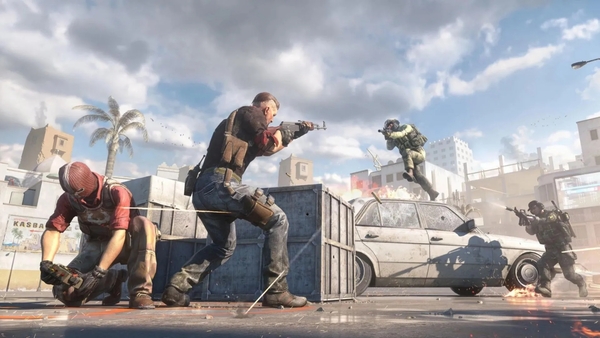
Once the bomb has been planted, the purpose of smoke changes. Attackers must protect the bomb and make the retake difficult, while Counter-Terrorists need to regain control of the site and complete the defuse.
Smoke can block important sightlines, support repositioning, and make it harder for defenders to coordinate their approach. However, an incorrectly placed smoke may also obstruct a teammate who needs to watch the bomb or allow an opponent to enter through an unseen route.
Post-Plant Tips for Attackers
- Choose positions that cover different approaches to the bomb.
- Avoid grouping all surviving teammates in one location.
- Save smoke for a meaningful retake or repositioning opportunity.
- Watch for enemies attempting to cross through the cloud.
- Communicate when you lose visual contact with an important route.
Counter-Terrorists should consider the remaining bomb timer before deciding whether to wait, use utility, or push through smoke. In some situations, immediate aggression is necessary. In others, a coordinated flash or an alternative approach may offer a better chance of retaking the site.
The most important factor is timing. A smoke that creates an advantage early in the round may be less useful if it prevents your team from seeing the bomb during the final seconds.
9. Avoid Common Smoke Grenade Mistakes
Players can learn numerous lineups and still struggle to use smoke effectively during competitive matches. The difference often comes down to decision-making, timing, and coordination rather than mechanical execution alone.
One common mistake is throwing smoke too early. Another is using a grenade without telling teammates, causing them to move at the wrong moment. Players may also rely on familiar lineups without checking whether the surrounding situation has changed.
Five Mistakes to Correct
- Throwing without a plan: Identify the specific advantage you want to create before using utility.
- Ignoring teammate positioning: Make sure the smoke supports the team's route and does not block friendly vision unnecessarily.
- Using predictable timings: Change your approach when opponents begin anticipating your movements.
- Forgetting the post-plant phase: Keep enough utility or positioning options available for the next stage of the round.
- Repeating failed lineups: Review the landing position and adjust when the smoke does not block the intended angle.
How to Review Your Mistakes
After a failed round, ask whether the smoke landed correctly, whether teammates moved at the right time, and whether the grenade created the intended opportunity. These questions help you identify whether the problem came from the lineup, communication, or tactical decision.
A smoke that lands perfectly can still fail if the entry player hesitates or teammates approach from the wrong direction. Likewise, a good attack can collapse if a small gap leaves a critical defensive angle uncovered.
Reviewing the cause of failure helps you improve more quickly than repeating the same action without understanding the problem.
10. Build a Consistent Smoke-Training Routine
Improving your smoke usage requires deliberate practice. Playing competitive matches exposes you to different situations, but it does not guarantee that you will learn the correct lineups or understand why a particular grenade failed.
Choose one map and focus on two or three useful smoke positions. Practice each lineup in a suitable training environment, verify the landing location, and check the sightlines from the enemy's perspective. Once the mechanics become consistent, practice moving through the area with the timing you would use in a real match.
Four Steps to Better Smoke Usage
Step 1: Learn the lineup. Practice the starting position, aiming reference, and throwing technique until the result is consistent.
Step 2: Understand the coverage. Check which enemy angles are blocked and identify any remaining threats.
Step 3: Practice the timing. Coordinate the throw with movement, flashbangs, and teammate positioning.
Step 4: Test different situations. Practice against opponents who hold alternative angles, push through smoke, or attempt to disrupt your plan.
Keep track of whether the smoke landed correctly, whether teammates crossed safely, and whether the team gained the intended area. This provides a practical way to measure progress beyond simply counting successful throws.
Finally, review your lineups after major updates or changes to the competitive map pool. A familiar lineup may need adjustment if map geometry or smoke behavior changes. Consistent practice and tactical awareness are more valuable than memorizing a large number of grenades without understanding their purpose.
Conclusion
Mastering smoke grenades in Counter-Strike 2 is about more than learning lineups. Players need to understand sightlines, coordinate utility, time their movement, and adapt when opponents challenge their plans. Effective smoke usage can help teams secure map control, execute bomb-site attacks, defend against pushes, and improve their chances during post-plant situations.
The best tip is to give every smoke a clear purpose. Know which angle you want to block, which teammate benefits from the grenade, and what your team should do next. Combine this knowledge with communication, consistent practice, and careful review of failed rounds.
By applying these practical tips and training methods, you can make better tactical decisions, use utility more efficiently, and become a more reliable teammate in CS2.